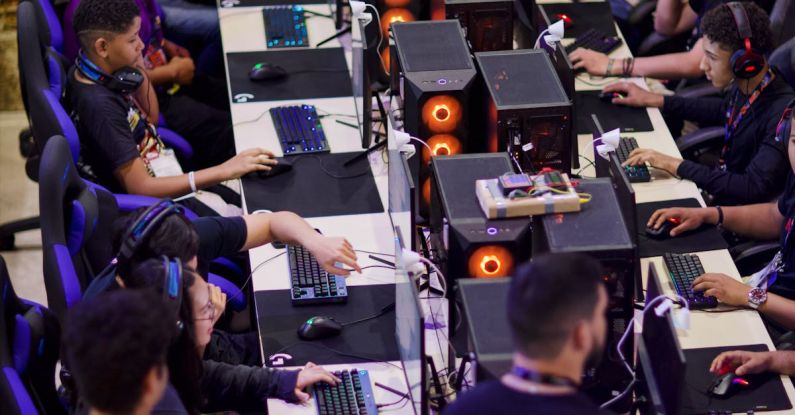
What Does the Rise of E-sports Mean for Traditional Sports Fans?
In recent years, the world of sports has witnessed a significant shift with the rise of e-sports. Once considered niche entertainment, competitive gaming has exploded onto the mainstream stage, captivating millions of fans and drawing in massive sponsorship deals. As e-sports continue to grow in popularity, traditional sports fans may find themselves wondering what this means for the games they have loved for decades. What implications does the rise of e-sports have for traditional sports enthusiasts, and how might it shape the landscape of sports fandom in the future?
**The Blurring Lines of Competition**
E-sports have emerged as a formidable force in the world of competitive entertainment, with professional gamers showcasing their skills in games like League of Legends, Dota 2, and Overwatch. While traditional sports have long been defined by physical prowess and athleticism, e-sports challenge these conventions by emphasizing strategic thinking, quick reflexes, and teamwork in a digital arena. The rise of e-sports blurs the lines between what constitutes a “sport,” expanding the definition to include competitive activities that take place in virtual worlds rather than on physical fields or courts.
**Crossover Appeal and Diversification of Fan Bases**
One of the most intriguing aspects of the rise of e-sports is its ability to attract a new and diverse audience to the world of competitive gaming. While traditional sports have their loyal fan bases, e-sports have the potential to reach a younger demographic that may not have been as interested in sports like football or basketball. This crossover appeal presents an opportunity for traditional sports fans to explore a new form of competition and engage with a different kind of sporting experience.
**Changing Viewing Habits and the Digital Frontier**
The rise of e-sports has also brought about a shift in how sports fans consume their favorite games. While traditional sports are often watched on television or in person at stadiums, e-sports are predominantly viewed online through streaming platforms like Twitch and YouTube. This digital frontier offers fans a more interactive and immersive viewing experience, with live chats, player perspectives, and behind-the-scenes content enhancing the overall enjoyment of watching competitive gaming.
**Impact on Traditional Sports Industry**
As e-sports continue to gain traction and attract a global audience, the traditional sports industry is taking notice. Major sports organizations are investing in e-sports teams, hosting tournaments, and exploring ways to integrate gaming into their existing offerings. This collaboration between traditional sports and e-sports has the potential to create new opportunities for fan engagement, sponsorships, and revenue streams, shaping the future of sports entertainment in innovative ways.
**Embracing a Multifaceted Sporting Landscape**
In a world where the boundaries between physical and digital competition are becoming increasingly blurred, traditional sports fans have the opportunity to embrace a multifaceted sporting landscape that offers a diverse array of experiences and entertainment options. Rather than viewing e-sports as a threat to traditional sports, fans can see it as a complement that enriches the overall sporting ecosystem and opens up new avenues for participation and fandom.
**Looking Ahead: A Unified Sporting Community**
As the worlds of traditional sports and e-sports continue to converge, it is essential for fans to embrace the diversity and inclusivity that this evolution brings. By recognizing the value of both physical and digital forms of competition, sports enthusiasts can contribute to the creation of a unified sporting community that celebrates the passion, dedication, and skill displayed by athletes in all realms of competitive play. In this dynamic landscape, the rise of e-sports serves not as a replacement for traditional sports but as a vibrant addition that expands the horizons of what it means to be a sports fan in the 21st century.