What Are the Key Trends in Wearable Fitness Technology?
In recent years, wearable fitness technology has experienced a surge in popularity as more individuals seek to optimize their workouts and track their health and fitness goals. These devices have evolved significantly from basic step counters to sophisticated tools that monitor various aspects of physical activity and health. Let’s delve into the key trends shaping the wearable fitness technology industry.
**Integration of Health Monitoring Features**
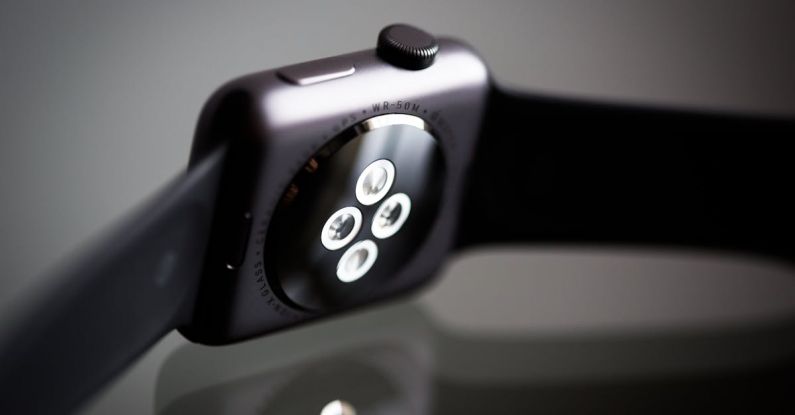
One of the prominent trends in wearable fitness technology is the integration of advanced health monitoring features. Modern fitness trackers are equipped with sensors that can monitor heart rate, blood oxygen levels, sleep patterns, and even stress levels. These features provide users with comprehensive insights into their overall health and well-being, enabling them to make informed decisions about their lifestyle choices.
**Personalized Coaching and Guidance**
Another significant trend in wearable fitness technology is the incorporation of personalized coaching and guidance. Many fitness devices now come with built-in artificial intelligence algorithms that analyze user data to provide customized workout recommendations and actionable insights. This personalized approach helps users stay motivated and achieve their fitness goals more effectively.
**Enhanced Connectivity and Compatibility**
Wearable fitness technology is increasingly becoming more integrated and connected with other devices and platforms. Many fitness trackers now offer seamless compatibility with smartphones, allowing users to sync their data effortlessly and access detailed analytics on their progress. Additionally, some devices can connect to smart home systems or gym equipment, creating a cohesive ecosystem that enhances the overall fitness experience.
**Focus on Mental Health and Well-Being**
In response to the growing awareness of mental health issues, wearable fitness technology has started to prioritize mental well-being alongside physical fitness. Some devices now include features such as guided meditation, stress tracking, and mindfulness exercises to help users manage their mental health effectively. This holistic approach to wellness underscores the importance of addressing both physical and mental aspects of health.
**Incorporation of Advanced Biometric Sensors**
Advancements in sensor technology have enabled wearable fitness devices to incorporate advanced biometric sensors that can track a wide range of physiological metrics. From blood pressure monitoring to ECG readings, these sensors provide users with a more comprehensive view of their health status. As the accuracy and reliability of these sensors continue to improve, wearable fitness technology is poised to revolutionize personalized health monitoring.
**Emergence of Smart Fabrics and Wearables**
The emergence of smart fabrics and wearables represents a new frontier in wearable fitness technology. These innovative devices are seamlessly integrated into clothing, accessories, and even footwear, providing users with a discreet and convenient way to track their fitness metrics. Smart fabrics can monitor biometric data, detect posture, and even provide haptic feedback during workouts, enhancing the user experience and performance.
**Gamification and Social Integration**
To keep users engaged and motivated, many wearable fitness devices leverage gamification techniques and social integration features. Users can set challenges, earn rewards, and compete with friends or other members of the fitness community. This gamified approach fosters a sense of accountability and camaraderie, making fitness more enjoyable and sustainable in the long run.
**The Future of Wearable Fitness Technology**
As wearable fitness technology continues to evolve, we can expect to see even more sophisticated features and capabilities that cater to individual needs and preferences. From AI-powered virtual coaches to seamless integration with healthcare providers, the future of wearable fitness technology holds immense potential for improving health outcomes and empowering users to lead healthier, more active lifestyles.
In conclusion, the key trends in wearable fitness technology underscore a shift towards personalized, connected, and holistic approaches to health and fitness. By incorporating advanced features, personalized coaching, and innovative designs, wearable fitness devices are empowering individuals to take control of their health and well-being in ways that were previously unimaginable. As technology continues to advance, the future of wearable fitness technology looks promising, with endless possibilities for enhancing the fitness journey for users around the world.