How Will Overpopulation Affect Future City Planning?
As the global population continues to surge, the implications of overpopulation on future city planning are becoming increasingly significant. Urban areas are already experiencing the strain of accommodating growing numbers of residents, and the challenges posed by overpopulation are likely to intensify in the coming years. From increased demand for housing and infrastructure to heightened pressure on resources and the environment, cities will need to adapt and innovate to ensure sustainable growth and quality of life for their inhabitants.
The Impact of Overpopulation on City Planning
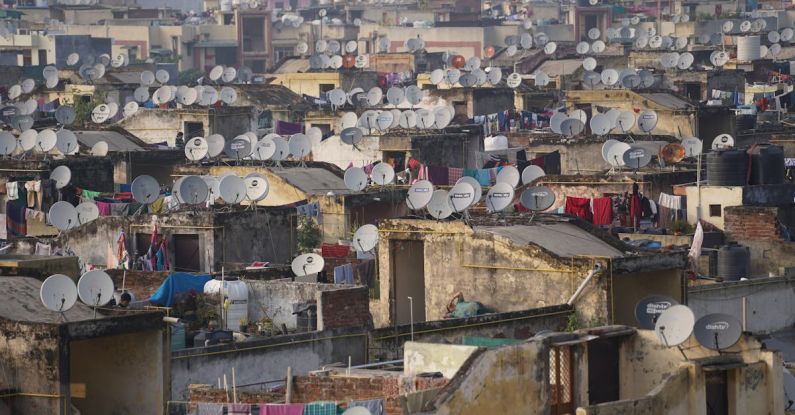
Rapid population growth poses a multitude of challenges for urban planners and city officials. One of the most pressing issues is the strain on housing availability. As more people flock to cities in search of economic opportunities and a better quality of life, the demand for housing skyrockets. This leads to skyrocketing real estate prices, overcrowding, and the proliferation of informal settlements. City planners will need to find innovative solutions to address this housing crisis, such as promoting high-density developments, investing in affordable housing initiatives, and revitalizing underutilized spaces within the urban fabric.
Moreover, overpopulation exerts immense pressure on urban infrastructure and services. Transportation systems, water and sanitation networks, healthcare facilities, and educational institutions all face the challenge of coping with increased demand from a swelling population. City planners must anticipate these needs and invest in robust infrastructure that can support the diverse requirements of a growing populace. Sustainable urban mobility solutions, efficient waste management systems, and resilient utilities will be essential in ensuring that cities remain livable and functional in the face of overpopulation.
Environmental Sustainability in Overpopulated Cities
The environmental impact of overpopulation cannot be overlooked when considering future city planning. As urban areas expand to accommodate more residents, natural habitats are often sacrificed, leading to biodiversity loss, deforestation, and increased pollution. Climate change exacerbates these challenges, with extreme weather events and rising sea levels threatening the resilience of cities worldwide. To mitigate these risks, city planners must prioritize environmental sustainability in their development strategies.
Green spaces, such as parks, gardens, and urban forests, play a crucial role in enhancing the quality of life in densely populated cities. Not only do they provide recreational opportunities for residents, but they also help mitigate the urban heat island effect, improve air quality, and promote biodiversity. Integrating green infrastructure into urban planning initiatives can help cities combat the negative impacts of overpopulation on the environment while creating more resilient and livable urban environments for all.
Social Implications of Overpopulation in Cities
In addition to housing, infrastructure, and environmental concerns, overpopulation also has profound social implications for cities. As urban populations swell, social inequality and segregation can intensify, with marginalized communities often bearing the brunt of inadequate housing, services, and opportunities. City planners must prioritize social inclusion and equity in their planning efforts to ensure that all residents have access to essential services and amenities.
Furthermore, overpopulation can strain social cohesion and cultural identity in cities. Diverse populations bring richness and vibrancy to urban life, but they can also challenge traditional notions of community and belonging. City planners must foster inclusive urban spaces that celebrate diversity, promote social interaction, and preserve local heritage in the face of rapid population growth. Building strong social networks, investing in cultural initiatives, and promoting civic engagement are essential strategies for creating cohesive and resilient cities in the future.
Adapting City Planning Strategies for Sustainable Growth
In conclusion, the impact of overpopulation on future city planning is undeniable. Urban areas around the world are already grappling with the challenges posed by rapid population growth, and the need for innovative, sustainable solutions has never been greater. By prioritizing housing affordability, investing in resilient infrastructure, promoting environmental sustainability, and fostering social inclusion, cities can adapt to the demands of overpopulation while ensuring a high quality of life for all residents. The future of city planning lies in embracing diversity, resilience, and sustainability to create thriving urban environments that can withstand the pressures of a rapidly growing population.