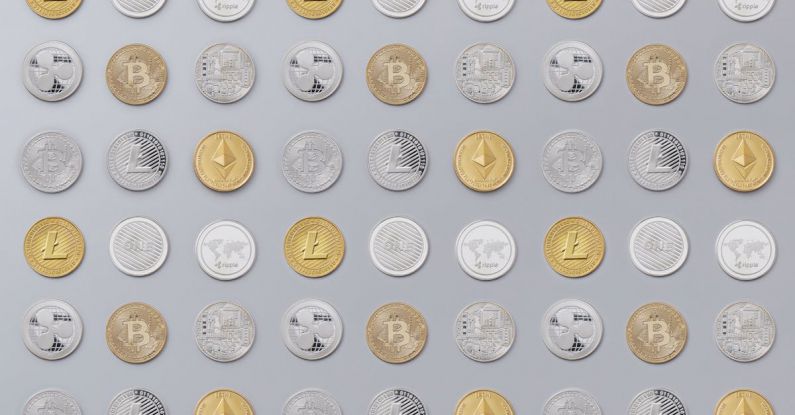
How Will Digital Currencies Affect Luxury Shopping?
Luxury shopping has traditionally been associated with exclusivity, personal service, and high-end products. However, as digital currencies continue to gain popularity and acceptance in the mainstream market, the landscape of luxury shopping is bound to undergo significant changes. The rise of digital currencies such as Bitcoin, Ethereum, and others has opened up new possibilities for consumers and retailers alike. In this article, we will explore how digital currencies are poised to impact the world of luxury shopping.
**A Shift Towards Digital Transactions**
One of the most significant ways in which digital currencies are set to affect luxury shopping is through the shift towards digital transactions. With the increasing acceptance of cryptocurrencies by retailers, consumers now have the option to make purchases using digital currencies. This eliminates the need for traditional payment methods such as credit cards or cash, providing a more convenient and secure payment option for luxury shoppers.
**Enhanced Privacy and Security**
Digital currencies offer enhanced privacy and security features compared to traditional payment methods. Transactions made using digital currencies are often anonymous and encrypted, reducing the risk of fraud and identity theft. For luxury shoppers who value their privacy and security, the use of digital currencies provides an added layer of protection when making high-value purchases.
**Global Accessibility**
Another key impact of digital currencies on luxury shopping is the increased global accessibility it offers. With digital currencies, consumers can make purchases from anywhere in the world without the need to worry about currency exchange rates or international transaction fees. This opens up new opportunities for luxury retailers to reach a broader market of consumers, potentially increasing sales and brand exposure.
**Reduced Transaction Costs**
Traditional payment methods often come with high transaction fees, especially for international purchases. Digital currencies, on the other hand, have significantly lower transaction costs, making them an attractive option for luxury shoppers looking to avoid hefty fees. By using digital currencies, both consumers and retailers can benefit from reduced transaction costs, ultimately leading to cost savings for all parties involved.
**Opportunities for Innovation**
The integration of digital currencies into the luxury shopping experience also presents opportunities for innovation in the industry. Retailers can explore new ways to engage with customers, such as offering exclusive deals or rewards for those who choose to pay with digital currencies. Additionally, the use of blockchain technology, which underpins most digital currencies, can provide a transparent and secure way to track the authenticity of luxury goods, reducing the risk of counterfeiting.
**Conclusion: The Future of Luxury Shopping**
As digital currencies continue to gain traction in the mainstream market, the impact on luxury shopping is undeniable. From enhanced privacy and security features to reduced transaction costs and global accessibility, digital currencies offer a range of benefits for both consumers and retailers in the luxury sector. As the industry evolves to embrace this new form of payment, we can expect to see innovative changes that enhance the overall luxury shopping experience. The future of luxury shopping is undoubtedly intertwined with the rise of digital currencies, shaping a more seamless and secure shopping experience for luxury consumers worldwide.