How Has Remote Work Transformed Urban Living Spaces?
The rapid rise of remote work has brought about significant changes in the way people live and work, particularly in urban areas. The shift towards remote work has not only altered the traditional office setting but has also transformed urban living spaces in various ways, impacting everything from housing preferences to community dynamics. As more individuals embrace the flexibility and autonomy that remote work offers, the demand for living spaces that cater to this new way of working has increased. Let’s delve into how remote work has reshaped urban living spaces and what implications this trend has for the future.
Flexible Workspaces within Homes
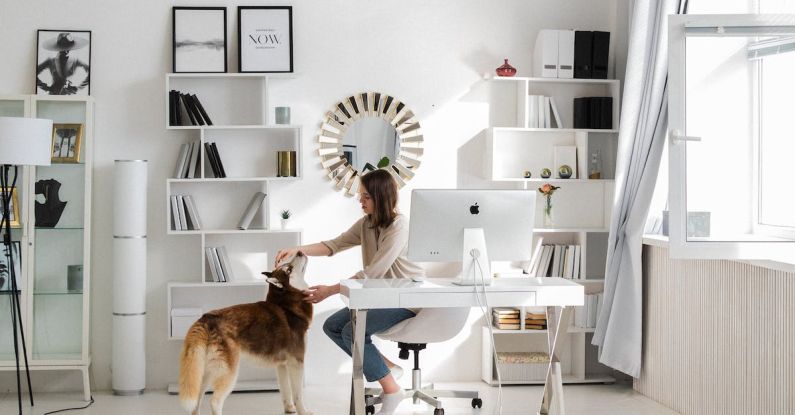
One of the most noticeable transformations in urban living spaces due to remote work is the integration of flexible workspaces within homes. With the need for a designated area to work from home efficiently, many urban dwellers are reevaluating their living arrangements to accommodate a home office or workspace. This has led to a surge in the popularity of properties with additional rooms or nooks that can be repurposed for work purposes. The concept of the live-work space has gained traction, blurring the lines between personal and professional life within urban residences.
Emphasis on Outdoor Amenities
As remote work allows individuals to work from anywhere, there has been a growing emphasis on outdoor amenities in urban living spaces. Residents are increasingly seeking properties with access to green spaces, rooftop gardens, or communal outdoor areas where they can work, relax, and socialize. The desire for outdoor amenities reflects a shift towards a more balanced lifestyle that prioritizes well-being and connection with nature, aspects that may have been overlooked in the hustle and bustle of urban living pre-remote work era.
Rise of Co-living and Co-working Spaces
The rise of remote work has also paved the way for the emergence of co-living and co-working spaces in urban areas. These shared living and working environments cater to individuals looking for a sense of community, collaboration, and networking opportunities while working remotely. Co-living spaces offer a blend of private living quarters and shared common areas, fostering a sense of belonging and social interaction among residents. On the other hand, co-working spaces provide a professional setting outside of traditional offices, where remote workers can collaborate, network, and exchange ideas with like-minded individuals.
Revitalization of Suburban and Rural Areas
Remote work has not only impacted urban living spaces but has also led to a revitalization of suburban and rural areas as viable alternatives for remote workers seeking a change of scenery. The ability to work remotely has enabled individuals to explore living options outside of major cities, where housing costs may be more affordable, and access to nature and outdoor activities is abundant. This trend has contributed to a shift in population distribution, with some urban dwellers opting for a slower pace of life in suburban or rural settings while still maintaining their professional commitments through remote work.
Reimagining Urban Design and Infrastructure
The transformation of urban living spaces due to remote work has prompted a reimagining of urban design and infrastructure to better accommodate the needs of remote workers. City planners and developers are incorporating features such as high-speed internet connectivity, shared workspaces, and pedestrian-friendly environments into their urban planning strategies. The goal is to create vibrant, inclusive, and sustainable urban spaces that support a hybrid lifestyle where work, leisure, and living seamlessly intersect.
Looking Ahead: The Future of Urban Living Spaces in the Remote Work Era
As remote work continues to redefine the way we work and live, the future of urban living spaces holds exciting possibilities for innovation and adaptation. The integration of technology, sustainability, and community-centric design principles will shape the urban landscape, creating dynamic environments that cater to the diverse needs and preferences of remote workers. The trend towards flexible, collaborative, and well-connected urban living spaces is likely to persist, offering a glimpse into a future where work and life coexist harmoniously in the heart of our cities.