How Do Social Movements Shape Contemporary Art?
In the dynamic landscape of contemporary art, social movements play a significant role in shaping artistic expression and driving change. These movements, whether advocating for civil rights, environmental sustainability, gender equality, or other social issues, have a profound impact on the themes, techniques, and messages conveyed through artworks. By reflecting the zeitgeist and channeling the collective voice of society, artists engage with and respond to the pressing concerns of their time, fostering dialogue, raising awareness, and challenging established norms. This article explores the intricate relationship between social movements and contemporary art, delving into how artists draw inspiration from activism to create powerful and thought-provoking works that resonate with audiences worldwide.
Impact on Themes and Subject Matter
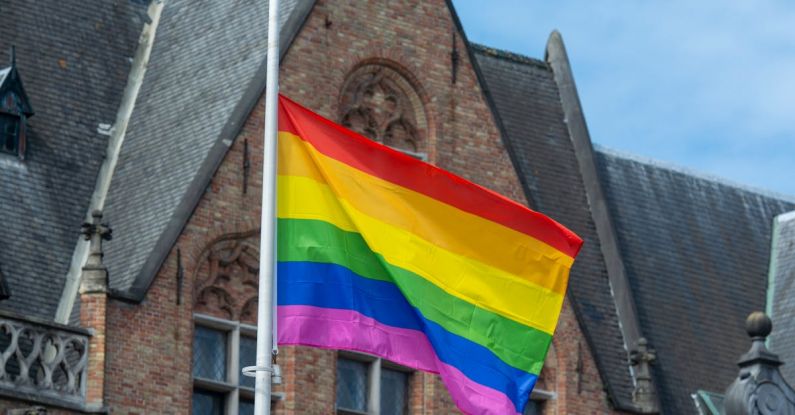
Social movements serve as a wellspring of inspiration for artists, fueling a diverse range of themes and subject matter in contemporary art. Issues such as racial justice, LGBTQ+ rights, climate change, and immigration have become central topics explored through various artistic mediums. Artists often draw from their own experiences, observations, and emotions, infusing their work with a sense of urgency and relevance that reflects the current social climate. By addressing these sensitive and complex issues, artists not only express their viewpoints but also challenge viewers to confront uncomfortable truths and engage in critical reflection on the world around them.
Techniques and Aesthetic Innovations
In addition to influencing the thematic content of artworks, social movements also impact the techniques and aesthetic innovations employed by artists. Many contemporary artists experiment with unconventional materials, multimedia installations, performance art, and digital technologies to push the boundaries of traditional artistic practices. By embracing new forms of expression and engaging with different mediums, artists can amplify the impact of their message and reach a wider audience. Socially engaged art practices, such as participatory art projects and community collaborations, blur the lines between artist and audience, inviting viewers to actively participate in the creation and interpretation of art.
Challenging Established Norms
Social movements have the power to disrupt established norms and conventions within the art world, prompting artists to question traditional modes of production, exhibition, and consumption. Activist artists often challenge the status quo by subverting dominant narratives, critiquing institutional power structures, and advocating for greater inclusivity and diversity in the art world. By amplifying marginalized voices and perspectives, artists contribute to a more inclusive and equitable cultural landscape that reflects the richness and complexity of human experience. Through their work, artists can provoke dialogue, spark debate, and inspire action, challenging viewers to reconsider their assumptions and biases.
Global Connectivity and Solidarity
In an increasingly interconnected world, social movements have the ability to foster global connectivity and solidarity among artists and activists across borders. The rise of social media and digital technologies has enabled artists to collaborate, share resources, and mobilize support for common causes on a global scale. Artistic expressions of solidarity and resistance transcend geographical boundaries, uniting individuals from diverse backgrounds in a shared commitment to social justice and human rights. By harnessing the power of art as a tool for social change, artists can amplify their voices and make a meaningful impact on the world.
Empowering Marginalized Voices
One of the most transformative aspects of social movements in contemporary art is their ability to empower marginalized voices and communities that have historically been excluded or underrepresented in mainstream discourse. Through their creative practice, artists from marginalized backgrounds can reclaim their narratives, challenge stereotypes, and assert their presence in the art world. By centering the experiences and perspectives of marginalized groups, artists contribute to a more inclusive and diverse cultural landscape that recognizes the value of all voices. Through their art, these artists inspire others to embrace their own identities, speak their truths, and strive for a more just and equitable society.
The Future of Socially Engaged Art
As social movements continue to evolve and shape the cultural landscape, the future of socially engaged art holds great promise for driving positive social change and fostering greater empathy and understanding among diverse communities. By harnessing the power of art to amplify marginalized voices, challenge established norms, and inspire collective action, artists can contribute to a more just, inclusive, and equitable society. As we navigate the complexities of our rapidly changing world, the role of art in reflecting, critiquing, and reshaping social realities remains more vital than ever. By engaging with social movements and using their creative voices to advocate for a better future, artists can help us envision new possibilities, spark meaningful conversations, and build bridges of empathy and solidarity across difference.