Are Urban Green Spaces the Solution to City Living?
In the hustle and bustle of city living, the need for green spaces has become increasingly apparent. As urban areas continue to expand, residents are finding solace in the pockets of nature that offer a reprieve from the concrete jungle. But are urban green spaces the solution to city living? Let’s delve into the benefits these green oases provide and how they contribute to a healthier and more vibrant urban environment.
**The Importance of Urban Green Spaces**
Urban green spaces, ranging from parks and gardens to rooftop terraces and community plots, play a crucial role in enhancing the quality of life for city dwellers. These green areas offer a sanctuary where individuals can escape the stresses of city life, connect with nature, and promote physical and mental well-being. Research has shown that exposure to green spaces can reduce stress, anxiety, and depression, leading to improved overall mental health.
Moreover, urban green spaces serve as vital ecosystems that support biodiversity and provide habitats for various plant and animal species. By preserving these green areas within cities, we can help maintain a balance in the urban ecosystem and promote sustainability for future generations.
**Promoting Physical Health**
One of the key benefits of urban green spaces is their contribution to physical health. These green areas offer opportunities for outdoor recreation, such as walking, jogging, cycling, and picnicking, which can help individuals stay active and maintain a healthy lifestyle. By providing accessible and inviting spaces for physical activity, urban green spaces play a crucial role in combating sedentary lifestyles and promoting overall well-being.
In addition, green spaces help improve air quality by absorbing pollutants and releasing oxygen, creating a healthier environment for city residents. This can have a significant impact on public health, reducing the risk of respiratory illnesses and other health conditions associated with poor air quality.
**Social Connection and Community Engagement**
Urban green spaces also foster social connections and community engagement by providing gathering spaces for residents to come together and interact. Parks and gardens serve as venues for events, festivals, and recreational activities that bring people from diverse backgrounds and cultures together, promoting social cohesion and a sense of belonging.
Community gardens, in particular, offer opportunities for residents to cultivate their own food, learn about sustainable gardening practices, and engage with neighbors in a shared green space. These community-driven initiatives not only promote food security and environmental awareness but also create a sense of ownership and pride among residents, strengthening community bonds and enhancing the urban fabric.
**Challenges and Opportunities**
While urban green spaces offer a myriad of benefits, they also face challenges such as limited space, maintenance costs, and competing interests for land use. As cities continue to grow, it is essential to prioritize the preservation and creation of green areas to ensure that all residents have access to nature-rich environments.
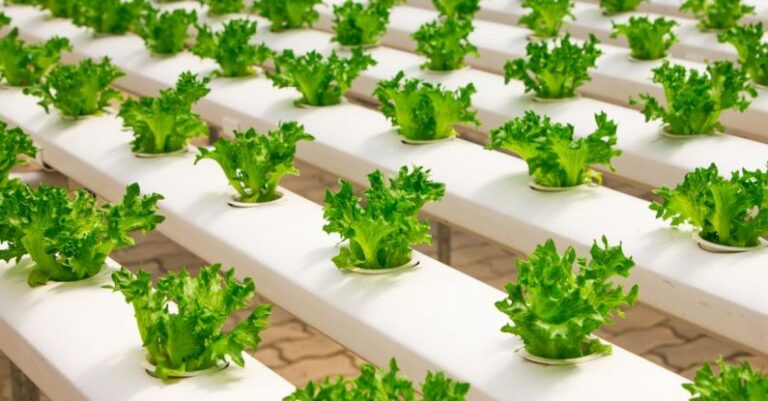
Innovative solutions, such as vertical gardens, green rooftops, and pocket parks, present opportunities to maximize green space within urban settings and create sustainable landscapes that enhance the urban experience. By integrating green infrastructure into urban planning and design, cities can mitigate the negative impacts of urbanization and create more livable, resilient, and sustainable environments for all.
**In Summary**
Urban green spaces offer a multitude of benefits that contribute to a healthier, happier, and more connected urban community. From promoting physical health and mental well-being to fostering social connections and environmental sustainability, these green oases play a vital role in enhancing the quality of life for city residents.
As cities continue to evolve and expand, it is essential to prioritize the preservation and creation of green spaces to ensure that urban environments remain vibrant, inclusive, and sustainable. By investing in green infrastructure, engaging communities in the planning and design process, and promoting equitable access to nature-rich environments, cities can harness the power of urban green spaces to create a brighter and greener future for all.