Can Vertical Farming Feed Growing Urban Populations?
As cities around the world continue to expand at an unprecedented rate, the need for sustainable and efficient food production methods becomes increasingly urgent. Traditional agriculture is facing challenges such as limited space, water scarcity, and climate change. In this context, vertical farming has emerged as a promising solution to feed the growing urban populations. By utilizing advanced technologies and innovative techniques, vertical farming has the potential to revolutionize the way we grow and consume food.
The Rise of Vertical Farming
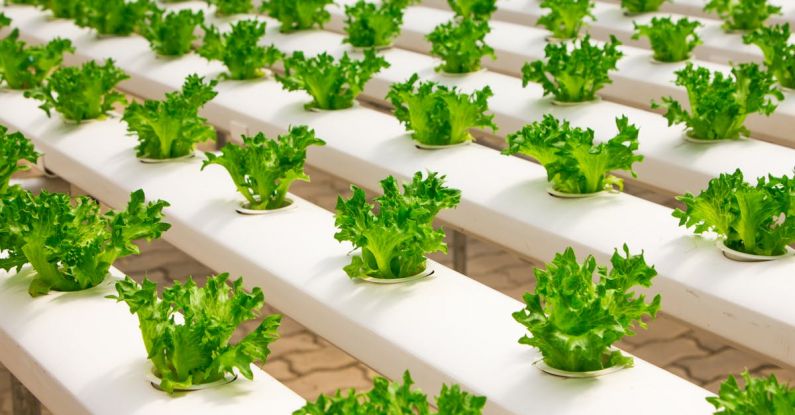
Vertical farming is a method of growing crops in vertically stacked layers, often in controlled environments such as warehouses or skyscrapers. This approach maximizes the use of space and resources, allowing for year-round production of fresh fruits, vegetables, and herbs. By incorporating hydroponics or aeroponics systems, vertical farms can significantly reduce water consumption compared to traditional farming methods.
Sustainable Agriculture for Urban Areas
One of the key advantages of vertical farming is its sustainability. By growing food closer to where it will be consumed, vertical farms can reduce the carbon footprint associated with transportation and distribution. Additionally, the controlled environment of vertical farms minimizes the need for pesticides and herbicides, leading to healthier and more environmentally friendly produce. As urban populations continue to grow, vertical farming offers a scalable solution to ensure food security in densely populated areas.
Maximizing Efficiency and Yield
Vertical farming allows for precise control over environmental factors such as temperature, humidity, and lighting. This level of control enables farmers to optimize growing conditions for each crop, resulting in higher yields and faster growth cycles. By using artificial lighting systems such as LEDs, vertical farms can produce crops year-round regardless of external weather conditions. This efficiency not only increases productivity but also reduces the amount of land required for agriculture, preserving natural ecosystems.
Addressing Food Security Challenges
The rapid urbanization of the global population poses significant challenges to food security. As cities expand, arable land becomes scarce, making it increasingly difficult to meet the growing demand for fresh produce. Vertical farming offers a practical solution to this problem by transforming underutilized urban spaces into productive agricultural hubs. By decentralizing food production and shortening supply chains, vertical farming can enhance food resilience and ensure access to nutritious food for urban dwellers.
The Role of Technology in Vertical Farming
Technology plays a crucial role in the success of vertical farming operations. Automated systems monitor and adjust environmental conditions in real-time, ensuring optimal growing conditions for crops. Robotics and AI are also being integrated into vertical farms to automate tasks such as planting, harvesting, and pest control. These advancements not only improve efficiency but also reduce labor costs and increase overall profitability. As technology continues to evolve, vertical farming is poised to become a mainstream method of food production in urban areas.
Challenges and Future Prospects
While vertical farming holds great promise, it is not without challenges. The initial investment costs can be high, making it inaccessible to small-scale farmers. Energy consumption is another concern, as artificial lighting and climate control systems require significant electricity. However, ongoing research and development are focused on addressing these challenges to make vertical farming more cost-effective and sustainable in the long term.
In conclusion, vertical farming has the potential to revolutionize food production and distribution in urban areas. By leveraging advanced technologies and sustainable practices, vertical farms can meet the growing demand for fresh, locally grown produce while minimizing environmental impact. As cities continue to expand, vertical farming offers a scalable and efficient solution to feed the world’s growing urban populations.